

The demos still feel like magic. The models keep getting smarter. The board still wants AI everywhere. But two uncomfortable truths keep showing up, and if you run GTM systems, they're painfully familiar:
That gap isn't a model problem. It's a data and infrastructure problem. Which makes it an Ops problem.
The biggest AI potential sits in execution — creating campaigns, updating records, routing leads — which is exactly where IT and InfoSec say no. The work that would actually move a number is the work you either can't get approved or wouldn't trust it to do.
And the use cases you can ship get more expensive as they get more popular. In every other software category, high adoption is something you cheer for. With token-based AI, it's the vendor pricing update meeting nobody wants to attend.
The result: a growing pile of pilots that look great in a demo, struggle in production, and make finance wonder why we said yes to something so expensive.
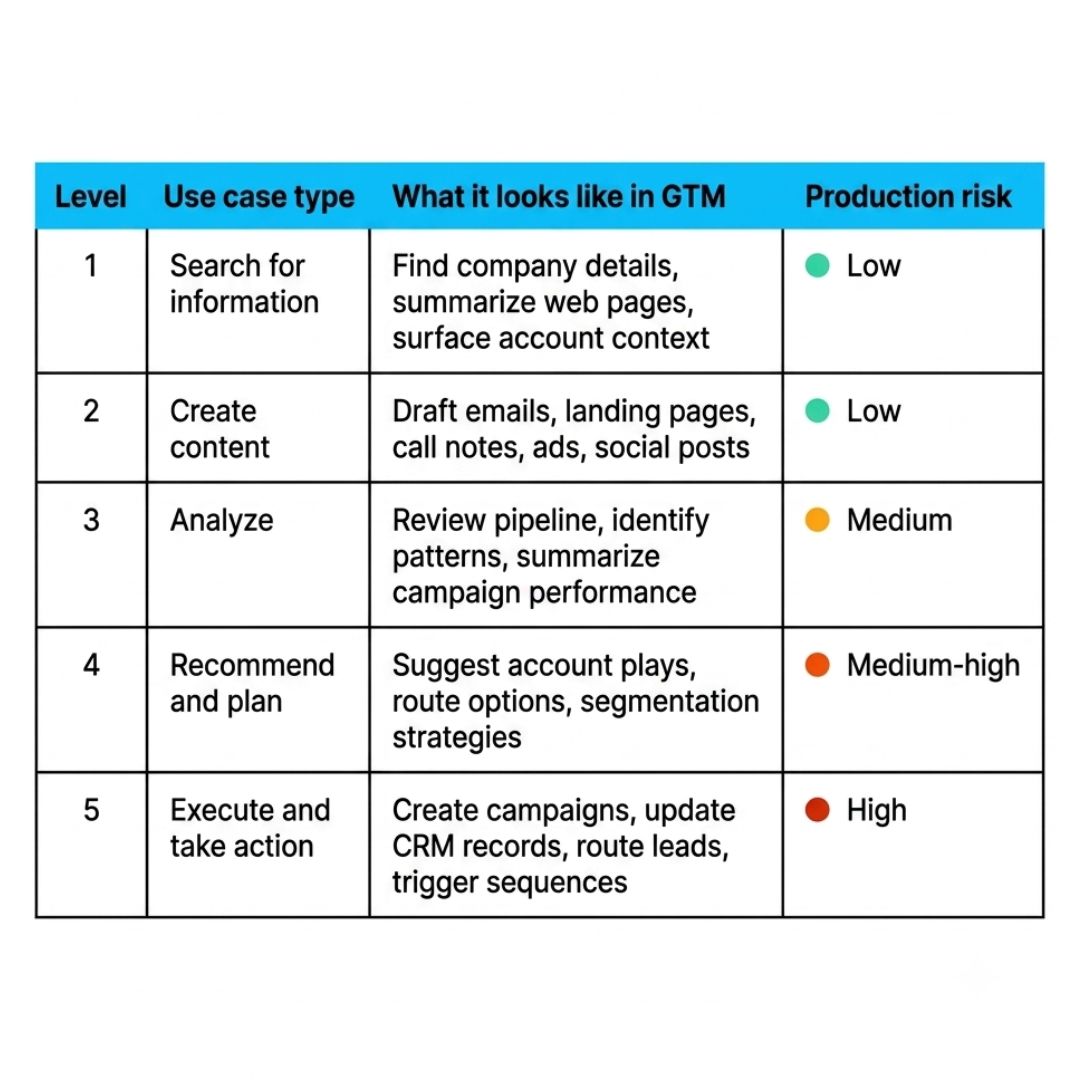
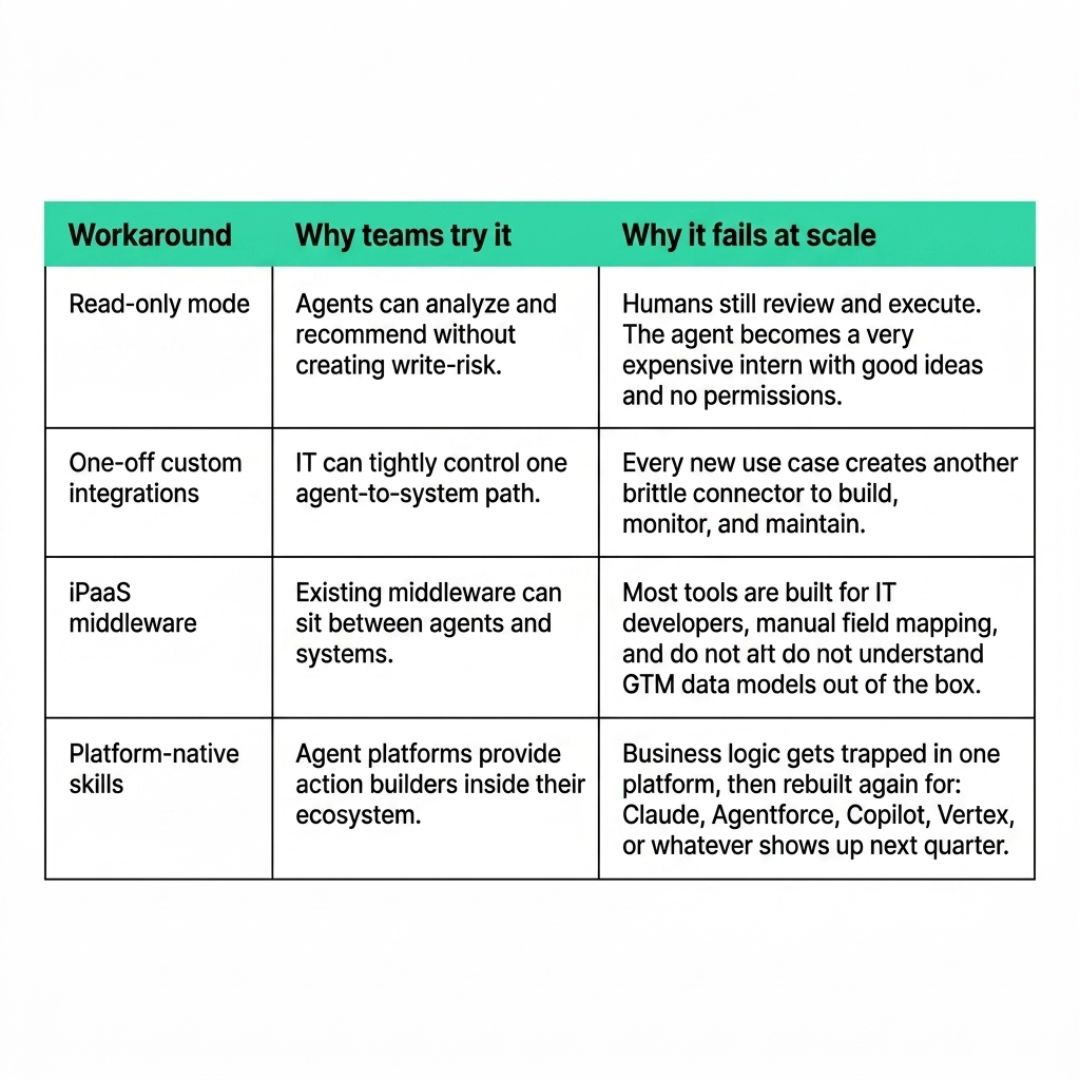
Look at how your team touches AI today and you'll recognize the categories below:
The quiet truth across the industry: everyone's doing AI, and most are doing it incompletely — without a repeatable, governed layer that agents, apps, and humans can all use.
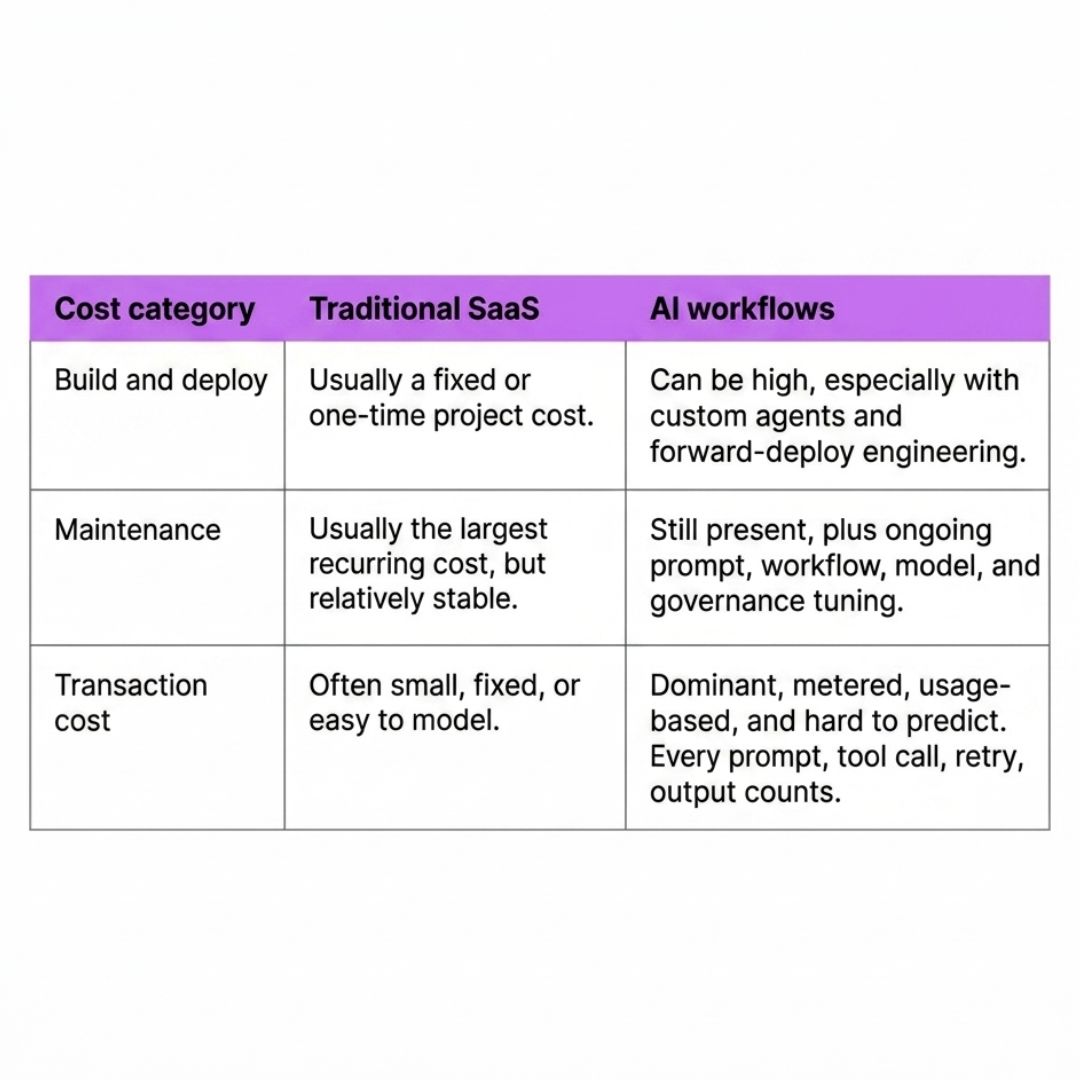
In traditional SaaS, cost is forecastable. Build is a one-time cost, maintenance is the big stable line item, and transaction costs are small enough to ignore. AI inverts that. Inference and token cost becomes the largest, most variable, and least predictable part of the equation — because you don't fully control it:
Here's the part that should bother every operator. Most of that spend is the model classifying titles, inferring industries, and deduping records at runtime — basic data prep nobody should pay astronomical rates for. The fix isn't a cheaper model or a sharper prompt. It's moving that work upstream, so the model stops doing the job a rules engine should have handled first.
Get a download of the latest research, hot takes, and how-to goodness.


